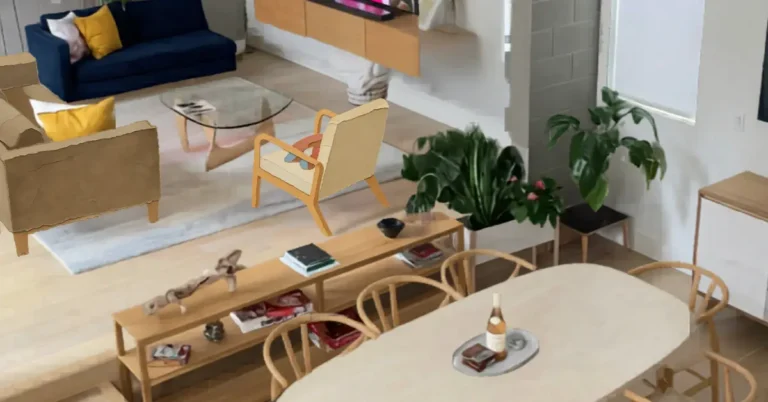

Introduction
In today’s rapidly urbanizing world, the challenge of maintaining quality of life in compact living environments has become increasingly urgent. As more than 66% of the global population is projected to live in cities by 2050, the disconnection from nature poses risks to both biological health and psychological well-being. Stress, fatigue, and reduced cognitive performance are often the hidden costs of modern urban living. The central question, then, is: How can we design small spaces that nurture human flourishing rather than diminish it?
This article explores the intersection of Biophilic Design and Quality of Life, showing how reconnecting with natural capital can transform compact interiors into restorative environments. Drawing on scientific research, design frameworks, and economic evidence, it argues that the integration of nature is not a luxury but a necessity for sustaining health, creativity, and resilience.
1. The Biological Root: Why We Need Nature in Small Spaces

The biological root of our need for nature in small spaces is grounded in the biophilia hypothesis, which suggests that humans have an innate urge to connect with living systems. As Oliver Heath notes, “Biophilic Design is a human-centered approach aimed at improving our connection to nature and natural processes in the buildings that we live and work.” This connection is not simply aesthetic; it directly influences stress reduction, recuperation, and productivity. In compact urban environments, where people spend nearly 90% of their time indoors, the absence of natural stimuli can create psychological strain. Therefore, integrating natural capital into design is not a luxury but a necessity for sustaining biological and psychological health.
From the perspective of the Natural Capital Protocol, natural capital represents the stock of renewable and non-renewable resources—plants, water, air, and soils—that yield benefits to people. When viewed through the lens of Biophilic Design and Quality of Life, these resources become fundamental assets for health. The Protocol emphasizes that organizations must recognize their dependencies on natural capital and measure its value not only in economic terms but also in human well-being. In small living spaces, this means treating daylight, airflow, and greenery as vital components of health infrastructure, rather than decorative extras.
Scientific evidence reinforces this integration. Exposure to natural light helps regulate circadian rhythms, improving sleep and cognitive performance. The presence of plants reduces blood pressure and enhances comfort, while water features lower heart rate and promote relaxation. These findings align with the Protocol’s principle of relevance: natural capital must be considered in decisions that affect human health and productivity. In compact apartments or offices, even modest interventions—potted plants, operable windows, or natural materials—can yield measurable benefits.
Moreover, the economic case is compelling. Studies show that workplaces with biophilic elements reduce absenteeism by up to 15% and increase creativity by 15%. Schools with optimized daylight report faster learning rates and higher test scores. Hotels with views of nature command premium rates. These outcomes demonstrate that Biophilic Design and Quality of Life are not abstract ideals but practical strategies that enhance both human flourishing and organizational success.
In conclusion, the biological need for nature and the structured framework of natural capital converge in compact spaces. By cultivating environments that integrate vital elements—light, air, plants, and water—we sustain both biological and psychological health. This approach reframes small spaces as opportunities to reconnect with nature, ensuring that quality of life is not compromised by urban density but enriched through thoughtful design.
2. Cultivating the Environment: Practical Biophilic Strategies
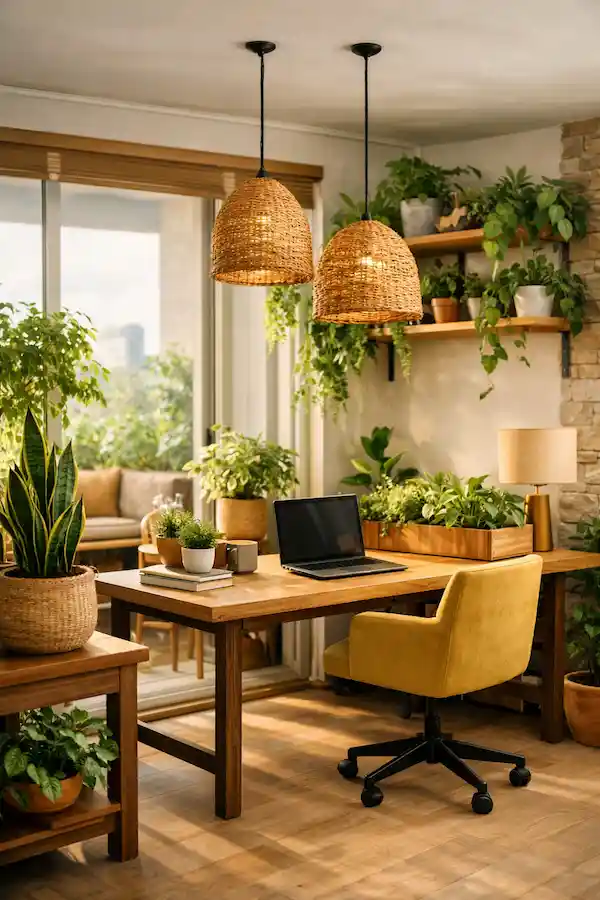
The practical dimension of Biophilic Design and Quality of Life lies in cultivating environments that actively support mental and physical health. One of the most effective strategies is harvesting natural light and air. Research highlighted in the Biophilic Design Guide shows that daylight exposure regulates circadian rhythms, enhancing sleep quality and cognitive performance. In compact interiors, positioning desks near windows, installing skylights, or using reflective surfaces can maximize daylight penetration. Operable windows and natural ventilation further restore comfort, reduce stress, and mimic the variability of outdoor climates.
Equally important is the power of greenery. Plants are not passive decorations; they are active biological components that clean the air, regulate humidity, and soothe the mind. Studies cited in the guide demonstrate that indoor plants reduce blood pressure and increase feelings of comfort. Even modest interventions—potted plants on shelves, hanging baskets, or small green walls—can transform compact spaces into restorative environments. Subscription-based plant services or low-maintenance species provide accessible options for those with limited time or resources. In this way, greenery becomes a living infrastructure for Biophilic Design and Quality of Life.
Natural analogues also play a crucial role. Organic materials such as wood, stone, and clay paints evoke the textures of the outdoors, creating tactile and visual connections to nature. The Ecological Valence Theory explains why colors reminiscent of thriving ecosystems—green vegetation, blue skies, warm yellows—elicit positive emotional responses. Incorporating these materials and colors into furniture, flooring, or wall finishes allows compact interiors to resonate with the calming and energizing qualities of natural environments. Even subtle gestures, such as wooden furniture or stone countertops, can foster psychological restoration — a principle that aligns with innovations explored in Smart Gardens 2.0: Turning Apartments into Self-Sustaining Food Factories, where organic materials and greenery are integrated not only for aesthetic and psychological benefits but also for sustainable food production in compact living spaces.
Finally, sensory diversity enhances engagement. Non-visual stimuli such as natural scents, water sounds, or tactile contrasts encourage mindfulness and reduce distraction. Citrus aromas stimulate focus, while recorded water sounds mask disruptive noise. Textured surfaces and acoustic zoning create moments of awareness that reconnect occupants with their environment. These strategies align with the 14 Patterns of Biophilic Design, which emphasize multi-sensory engagement as a pathway to well-being.
In conclusion, cultivating compact spaces through light, air, greenery, and natural analogues demonstrates that Biophilic Design and Quality of Life are achievable at any scale. By integrating these practical strategies, small interiors can become restorative sanctuaries that sustain biological health and psychological resilience, proving that even limited square footage can nurture human flourishing.
3. The Harvest: Mental and Physical Health Outcomes
The outcomes of Biophilic Design and Quality of Life are most evident in the measurable improvements to mental and physical health. One of the strongest findings across the literature is the reduction of stress through contact with nature. The Biophilic Design Guide highlights that exposure to natural environments lowers cortisol levels, reduces blood pressure, and accelerates recovery from fatigue. Even simple interventions—such as views of greenery or the presence of indoor plants—can create restorative effects. These outcomes are not incidental; they reflect our evolutionary adaptation to environments rich in natural stimuli, where safety and sustenance were assured.
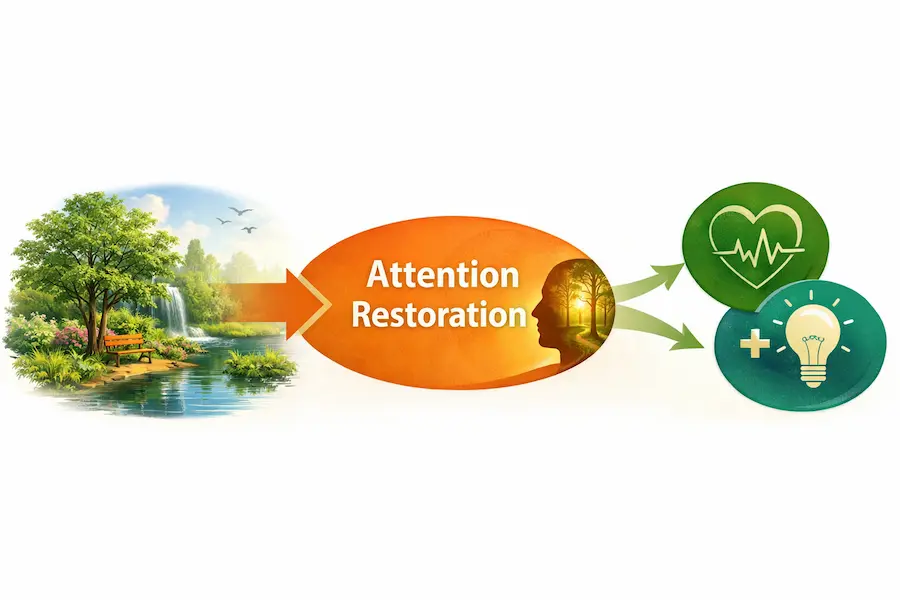
Cognitive restoration is another critical benefit. The Attention Restoration Theory explains that natural settings replenish our mental capacity after prolonged periods of directed attention. In compact urban dwellings, where distractions are constant, biophilic elements such as natural light, water features, or organic textures provide opportunities for “effortless attention.” This shift allows the brain to recover from fatigue, enhancing focus, creativity, and memory. Research on nature connectedness further supports this, showing that sustained engagement with natural elements fosters deeper psychological resilience and improved cognitive performance.
Emotional resilience is cultivated through the design of spaces that evoke refuge and security. The Prospect-Refuge Theory suggests that humans instinctively prefer environments that balance openness with shelter. In small apartments or offices, this can be achieved by creating cozy corners with plants, soft lighting, or natural materials, while maintaining visual connections to the outdoors. Such spaces provide a sense of safety and calm, reducing anxiety and promoting emotional stability. The Nature Connectedness framework emphasizes that these outcomes are strongest when people actively engage with nature, not merely when exposed to it. Emotional attachment to settings—finding joy in greenery, reflecting on beauty, or sharing experiences of nature—deepens resilience and strengthens the human-nature bond.
Ultimately, the harvest of Biophilic Design and Quality of Life is a holistic improvement in well-being. Stress reduction, cognitive restoration, and emotional resilience converge to create healthier, more sustainable lifestyles. Compact spaces, often seen as limiting, can become sanctuaries of health when designed with biophilic principles. By embedding opportunities for active engagement with nature, these environments nurture both biological and psychological health, proving that the benefits of natural capital extend far beyond aesthetics—they are essential for human flourishing.
4. Impact and Productivity in Micro-Environments
The influence of Biophilic Design and Quality of Life extends beyond individual well-being to measurable impacts on productivity and economic value. Research presented in the Biophilic Design Guide demonstrates that nature-inspired environments can boost creative performance by up to 15%. Offices that integrate natural light, greenery, and organic materials report higher levels of employee satisfaction, reduced absenteeism, and enhanced creativity. These outcomes are particularly relevant in micro-environments—compact apartments, small offices, or shared urban dwellings—where space is limited but the demand for productivity and innovation is high.
The economic value of cultivating well-being at home is equally compelling. When small living spaces are designed with biophilic principles, residents experience lower stress, improved focus, and greater emotional resilience. These benefits translate into better professional outcomes, such as increased efficiency in remote work, and stronger educational performance for students. For example, optimizing daylight exposure alone has been shown to increase learning speed by 20–26% and improve test scores by up to 14%. In this way, Biophilic Design and Quality of Life become not only personal assets but also drivers of broader social and economic success.
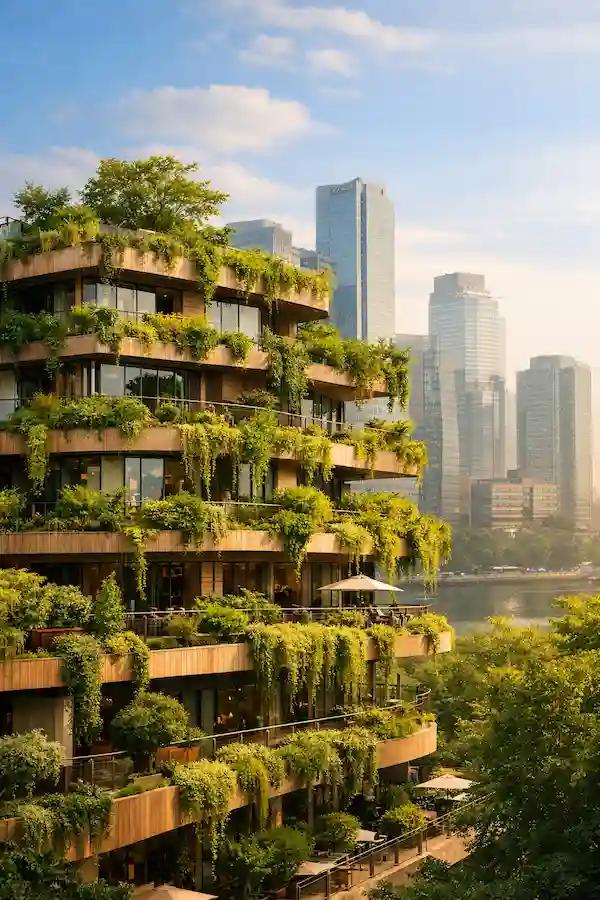
Urbanization intensifies the need for these strategies. By 2050, 66% of the world’s population will live in cities, often in compact dwellings with limited access to nature. Without intentional design, this trend risks exacerbating stress, fatigue, and disconnection from the natural world. Biophilic interventions—such as living walls, indoor gardens, or water features—offer scalable solutions that reconnect urban populations with nature. Even modest investments, like potted plants or operable windows, can yield significant returns in health and productivity.
The Biophilic Design Guide emphasizes that staff costs account for over 90% of business operating expenses, while energy costs represent less than 1%. This means that small improvements in employee well-being can deliver far greater financial returns than traditional cost-saving measures. In micro-environments, where people spend most of their time, the integration of biophilic elements is a strategic investment in human capital.
In conclusion, the impact of Biophilic Design and Quality of Life in micro-environments is both human and economic. By boosting creativity, enhancing professional and educational outcomes, and addressing the challenges of urbanization, biophilic strategies transform small spaces into engines of productivity and resilience. As cities continue to grow, the cultivation of natural capital within compact interiors will be essential for sustaining both individual flourishing and collective prosperity.
5. Measuring Success: The Natural Capital Protocol

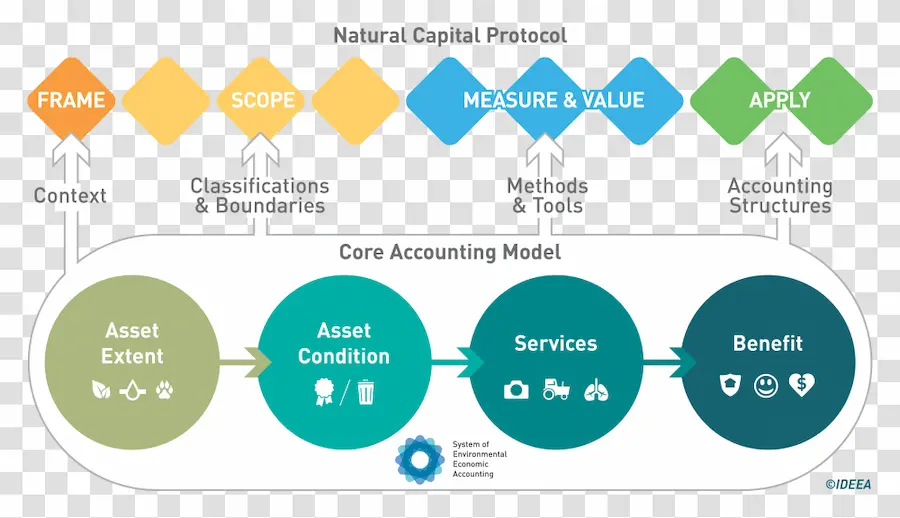
The integration of Biophilic Design and Quality of Life into compact living environments requires not only creative strategies but also measurable outcomes. The Natural Capital Protocol provides a framework for identifying how small changes in design lead to tangible improvements in daily life. By treating natural elements—light, air, plants, and water—as forms of natural capital, designers and residents can evaluate their impact on health, productivity, and emotional well-being.
The Protocol emphasizes four stages: Frame, Scope, Measure and Value, and Apply. Within this structure, biophilic interventions can be assessed for relevance, rigor, replicability, and consistency. For example, adding operable windows or indoor greenery may seem minor, but when measured against indicators such as reduced absenteeism, improved sleep quality, or enhanced concentration, their value becomes clear. These outcomes demonstrate that the intangible benefits of a biophilic home—calmness, focus, and resilience—are in fact quantifiable assets.
Valuation is central to the Protocol. It extends beyond monetary metrics to include qualitative and quantitative measures of well-being. In the context of Biophilic Design and Quality of Life, this means recognizing that reduced stress, lower blood pressure, or improved cognitive restoration are not abstract ideals but measurable impacts. For instance, daylight exposure can be tracked against circadian rhythm regulation, while indoor plants can be linked to improved air quality and reduced fatigue. These data points provide evidence that biophilic strategies deliver real returns in human health.
Moreover, the Protocol highlights the importance of interpreting results within a broader social and economic context. Compact homes designed with biophilic principles contribute to healthier communities, reduced healthcare costs, and greater professional and educational performance. By applying the Protocol, stakeholders can move beyond anecdotal claims and build a convincing business case for biophilic design. This ensures that investments in natural capital are not only ethically sound but also economically strategic.
In conclusion, measuring success through the Natural Capital Protocol reframes biophilic design as a disciplined, evidence-based practice. It allows us to value the “intangible” benefits of a biophilic home—peace of mind, emotional resilience, and cognitive clarity—as essential components of modern living. By embedding these measures into design and policy, Biophilic Design and Quality of Life become more than aspirations; they become verifiable outcomes that sustain both human flourishing and ecological integrity.
Conclusion: Growth Beyond Square Footage
The journey through Biophilic Design and Quality of Life reveals that compact spaces are not limitations but opportunities. By reconnecting with natural capital—light, air, plants, water, and organic materials—we cultivate environments that sustain biological health and psychological resilience. The evidence shows that stress reduction, cognitive restoration, and emotional security are not abstract ideals but measurable outcomes. When framed through the Natural Capital Protocol, these benefits gain economic and social weight, proving that investments in biophilic strategies are both ethically sound and financially strategic. These insights are further supported by recent academic research, such as A review of biophilic architectural design strategies and their effects on human wellbeing in contemporary built environments (Springer Nature, 2026).
Ultimately, growth beyond square footage means redefining quality of life in urban contexts. It is not the size of the dwelling that determines well-being, but the depth of our connection to nature within it. By embedding biophilic principles into design, policy, and everyday practice, we create homes and workplaces that nurture human flourishing while honoring ecological integrity. This synthesis of philosophy, science, and economics demonstrates that compact living can be expansive in meaning, offering a pathway to healthier individuals, stronger communities, and a sustainable future — a perspective further explored in The Philosophy of Quality of Life in Small Spaces: The 7 Pillars of a More Comfortable Life.
📚 References
- Heath, O. (2016). Creating Positive Spaces Using Biophilic Design. Oliver Heath Design / Interface.
- Wilson, E.O. (1984). Biophilia. Harvard University Press.
- Fromm, E. (1973). The Anatomy of Human Destructiveness. Holt, Rinehart and Winston.
- Miyazaki, Y. (2005). Forest Therapy: Effects of Nature on Human Health. Chiba University.
- Terrapin Bright Green (2012). The Economics of Biophilia. Terrapin Bright Green LLC.
- Kellert, S.R., & Calabrese, E. (2015). The Practice of Biophilic Design.
- Richardson, M., & Butler, C.W. (2021). Nature Connectedness and Biophilic Design. Building Research & Information, Taylor & Francis.
- Natural Capital Coalition (2016). Natural Capital Protocol.
- Capaldi, C.A., Dopko, R.L., & Zelenski, J.M. (2014). The Relationship Between Nature Connectedness and Happiness: A Meta-analysis. Frontiers in Psychology, 5, 976.
- Gillis, K., & Gatersleben, B. (2015). A Review of Psychological Literature on the Health and Wellbeing Benefits of Biophilic Design. Buildings, 5(3), 948–963.
- Colenberg, S., Jylhä, T., & Arkesteijn, M. (2021). The Relationship Between Interior Office Space and Employee Health and Well-being: A Literature Review. Building Research & Information, 49(3), 352–366.