
Introduction
Urban living has increasingly shifted toward compact apartments and small spaces, reshaping how individuals experience health and wellness at home. While these environments provide affordability and efficiency, they also introduce multifaceted health challenges that demand careful attention. The confined nature of such spaces creates unique micro‑climates where air quality, humidity, and light exposure directly influence physical, mental, and emotional well‑being.
Importance of the Topic
The rise of small‑space living is not merely a lifestyle trend—it is a global reality driven by urbanization, demographic changes, and economic pressures. Addressing the health implications of these environments is essential because:
- Skin health is compromised by dry air and limited ventilation, accelerating irritation, dehydration, and vulnerability to UV exposure.
- Mental clarity suffers when clutter and overstimulation elevate cortisol levels, disrupting sleep, focus, and emotional balance.
- Generational wellness shows that infants, seniors, and younger adults each face distinct vulnerabilities in confined living environments, from respiratory sensitivity to mobility stress.
- Smart technology integration offers solutions by transforming small homes into proactive wellness hubs, using IoT devices to monitor hydration, sleep, stress, and chronic conditions.
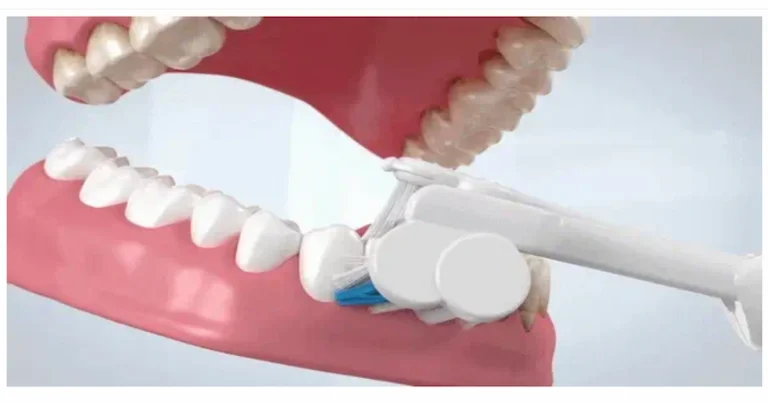
- Personal hygiene routines are streamlined by smart tools, ensuring that daily care like oral hygiene remains efficient and effective even in compact living spaces. For advanced daily dental maintenance, see our in-depth review on the Triple Bristle Max Sonic Toothbrush.
Objectives of the Article
This article aims to:
- Diagnose environmental health risks in compact living spaces, focusing on skincare, sunlight, and UV exposure.
- Explore psychological impacts of clutter and overstimulation, linking minimalist design to stress reduction.
- Highlight generational strategies for infants, seniors, and younger adults, showing how tailored interventions improve resilience.
- Evaluate smart home technologies as wellness partners, integrating monitoring, automation, and preventive care.
- Promote sustainable living by combining minimalism with intelligent systems to create healthier, more balanced lifestyles.
1. Skin Health & The “Micro‑Climate” Effect
Explain how living in confined, climate‑controlled spaces can affect skin moisture levels
Living in compact spaces creates a distinctive “micro‑climate” that directly influences skincare outcomes. Confined, climate‑controlled environments often rely on heating, cooling, or air‑conditioning systems that reduce ambient humidity. This lack of moisture accelerates transepidermal water loss (TEWL), leaving the skin vulnerable to dryness, irritation, and premature aging. Research on wound dressings and microclimate regulation confirms that occlusion and humidity shifts significantly alter TEWL and hydration levels, demonstrating how sensitive the skin barrier is to environmental control .
The stratum corneum, the outermost layer of the skin, functions as the primary barrier against external stressors. Its integrity depends on balanced hydration and lipid composition. Both excessive moisture and dehydration compromise this barrier, increasing susceptibility to oxidative stress and damage from UV radiation . In compact spaces, limited natural sunlight exposure further complicates the equation: while reduced UV exposure lowers photodamage risk, insufficient light can disrupt circadian rhythms and skin physiology. This paradox highlights the need for proactive skincare strategies that balance hydration, light, and protection.
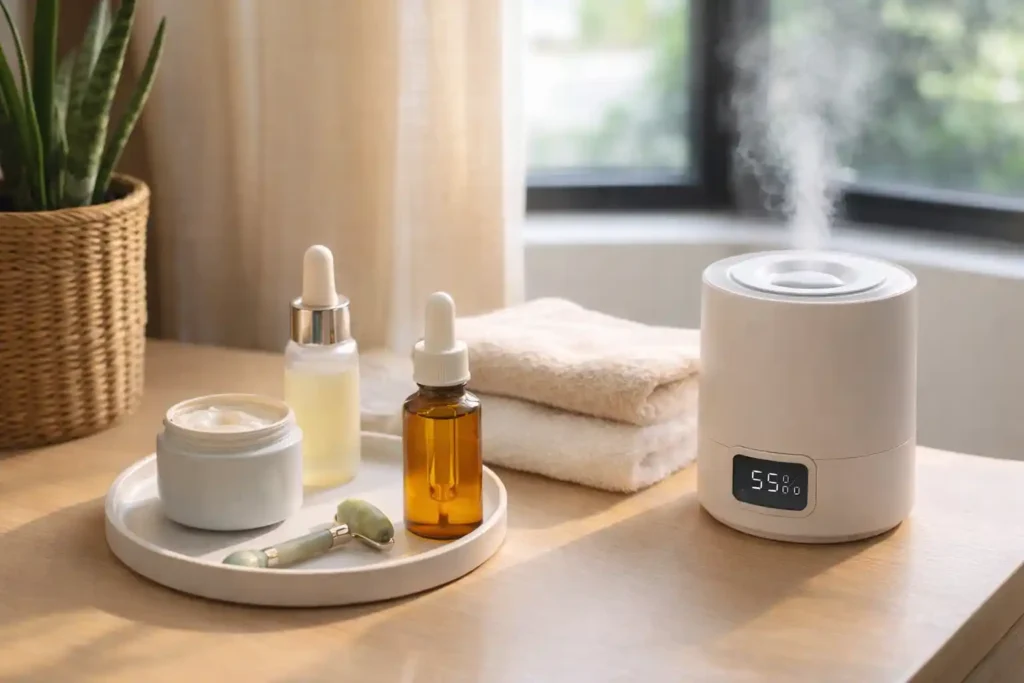
Recommendation: Integrate smart humidifiers to maintain optimal skin hydration, turning small rooms into personal spa sanctuaries
To transform compact spaces into personal spa sanctuaries, smart humidifiers offer a practical solution. By monitoring indoor humidity and automatically adjusting output, these devices stabilize the micro-climate, reducing dryness and enhancing the absorption of topical antioxidants. Clinical evidence shows that maintaining optimal humidity improves epidermal resilience, supports collagen synthesis, and reduces the visible impact of UV exposure. To complement these environmental benefits with a targeted regimen, you can Unlock Your Glow: The Best Affordable Anti-Aging Skincare Routine for Glowing Skin in 2026 to further maximize your skin’s vitality and long-term health.
Smart humidifiers also complement antioxidant-rich skincare routines. When paired with protective measures such as vitamin C serums and broad-spectrum sunscreens, they help balance the benefits of limited sunlight with the risks of indoor UV penetration through windows. For a deeper dive into managing these factors, check out our guide on Skincare in Compact Spaces: Sunlight Benefits vs. UV Risks. This synergy ensures that residents of compact spaces can cultivate a glow-first environment where hydration, protection, and rejuvenation coexist.
2. Mental Clarity through Minimalist Efficiency

How visual clutter in small apartments elevates cortisol levels and disrupts peace of mind
Living in compact spaces can be energizing, but clutter often transforms them into stressful environments. Research consistently shows that disorganized surroundings elevate cortisol levels, the body’s primary stress hormone, leading to anxiety, fatigue, and reduced focus. A study on the psychology of minimalism highlights that excessive visual stimuli—bright colors, unnecessary items, and chaotic layouts—generate overstimulation and mental overload, undermining peace of mind and productivity .
Similarly, findings from stress‑related minimalism research confirm that cluttered homes correlate with higher cortisol and feelings of overwhelm. Minimalism, by contrast, reduces distractions and fosters serenity, enabling individuals to concentrate better and experience emotional relief . Marketing studies also reveal that minimalist appeals resonate with consumers seeking clarity and sustainability, reinforcing the psychological benefits of simplicity in daily living .
In compact spaces, clutter not only disrupts mental clarity but also indirectly affects skincare. Elevated stress hormones impair the skin barrier, making it more vulnerable to dryness, oxidative stress, and UV damage. Thus, decluttering is not just aesthetic—it is a wellness intervention that links mental health to physical resilience.
Recommendation: Utilize smart home storage and organizational tech
To counteract these effects, smart storage and organizational technology provide practical solutions. Modular shelving, hidden compartments, and AI‑assisted organization systems reduce visual noise, creating a calm environment that lowers cortisol and restores mental clarity. Minimalist design principles—clean lines, monochromatic palettes, and intentional placement—further enhance tranquility by eliminating unnecessary stimuli .
Smart organization also supports wellness routines: skincare products, humidifiers, and lighting devices remain accessible yet unobtrusive. This synergy between technology and minimalism nurtures both mental clarity and physical health. By integrating smart storage, residents of compact spaces can cultivate environments that balance hydration, protection from UV, and emotional well‑being.
Ultimately, minimalist efficiency is more than a design choice—it is a holistic wellness strategy. Decluttering reduces stress, enhances focus, and creates a glow‑first environment where mental clarity and skincare thrive together.
3. Holistic Wellness for Every Generation

Infant Care: Air Purity and Climate Stability in Nurseries
Holistic wellness begins at birth, and infants are especially sensitive to their immediate environment. Research on holistic harmony emphasizes that well‑being is an integrated system where physical, emotional, and environmental factors interact . For babies, air purity and climate stability are critical. Poor air quality can disrupt sleep cycles, impair respiratory health, and increase the risk of allergies. Studies on holistic well‑being highlight that environmental wellness—safe, comfortable, and supportive spaces—directly influences developmental outcomes .
In compact spaces, nurseries often lack optimal ventilation, making air purification essential. Smart humidifiers and HEPA filters stabilize humidity and remove airborne pollutants, ensuring infants experience restful sleep and healthy growth. Preventive strategies, such as consistent routines and mindful environmental design, align with holistic health principles by reducing stressors and fostering resilience from the earliest stages of life .
Seniors: Smart Lighting and Voice‑Controlled Systems for Mobility and Stress Reduction
For seniors, holistic wellness requires balancing physical safety with emotional comfort. Evidence from Wellness Across Generations shows that older adults face heightened risks of chronic conditions, mobility challenges, and stress linked to environmental instability . Smart lighting systems that mimic natural daylight support circadian rhythms, improving mood, sleep quality, and cognitive function. Voice‑controlled devices reduce physical strain, enabling seniors to manage daily tasks without unnecessary movement, thereby lowering stress and enhancing independence.
Holistic health frameworks emphasize that well‑being is multidimensional—physical, mental, social, and environmental . For seniors in compact spaces, integrating smart technology creates supportive micro‑climates that reduce anxiety, improve safety, and foster autonomy. This approach reflects the principle of holistic harmony: when one dimension of wellness is stabilized, others—such as emotional resilience and social connectedness—are positively reinforced.
4. Tech as Your Wellness Partner
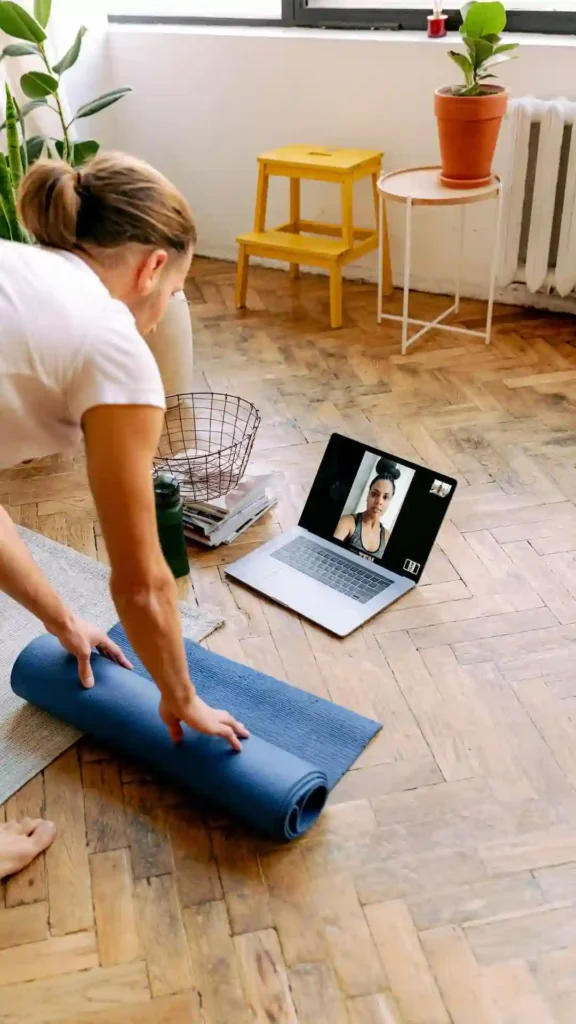
Smart Homes as Preventive Health Monitors
Modern smart homes are no longer just about convenience—they are evolving into proactive wellness environments. Research shows that IoT‑enabled devices, such as passive infrared sensors, smart thermostats, and bed occupancy monitors, can track daily activity, sleep, and even detect falls or hazardous events . These systems provide real‑time health data, reducing reliance on memory or self‑reporting, and allow caregivers and healthcare providers to intervene early.
A scoping review of smart home technologies highlights their potential to support independent living for older adults and vulnerable populations, while also informing public health strategies at the community level . By continuously monitoring motion, temperature, and humidity, smart homes create stable micro‑climates that protect both physical health and mental clarity. This integration of skincare, compact spaces, and UV protection into health monitoring demonstrates how environmental control directly supports holistic wellness.
Personalized Wellness in One‑ and Two‑Person Households
Studies on one‑ and two‑person households emphasize that smart homes must be user‑centric, supporting wellness across physical, social, intellectual, occupational, and emotional dimensions . For younger residents, smart homes can encourage fitness, hobbies, and digital balance, while for older adults they provide safety, medical monitoring, and emotional support.
Survey data reveal that while physical wellness scores are relatively high, social and environmental wellness scores are often low, reflecting limited community interaction . Smart homes can bridge this gap by integrating communication platforms, environmental sensors, and personalized routines that foster both connection and resilience.
Healthcare Integration and Stress Reduction
Smart home technology also plays a critical role in healthcare delivery. Reviews of smart home healthcare applications show that assistive technologies—such as fall detection, chronic illness monitoring, and telehealth integration—extend independence and reduce healthcare costs . However, adoption challenges remain: privacy concerns, upfront costs, and user accessibility.
Despite these barriers, the evidence is clear: smart homes reduce stress by automating routine tasks, monitoring health indicators, and creating environments that promote calmness and safety. For residents of compact spaces, this means transforming small rooms into wellness hubs where hydration, light management, and stress reduction coexist seamlessly.
Conclusion
Minimalism and smart technology together form a powerful framework for cultivating wellness in compact spaces. Across the four pillars we explored—Skin Health & the Micro‑Climate Effect, Mental Clarity through Minimalist Efficiency, Holistic Wellness for Every Generation, and Tech as Your Wellness Partner—a consistent theme emerges: environments shape both physical and emotional resilience.
- By stabilizing humidity and light, residents protect their skincare and reduce UV damage.
- Through decluttering and minimalist design, cortisol levels drop, enhancing focus and emotional balance.
- Generational wellness strategies show that infants, seniors, and young adults alike benefit from integrated approaches that combine environmental stability with mindful routines.
- Finally, smart homes act as wellness partners, transforming data into actionable insights, reducing stress, and extending independence.
Together, these findings highlight that the future of wellness in small living environments lies in intentional simplicity supported by intelligent technology. Minimalism provides clarity, while smart systems ensure safety, hydration, and holistic health. The synergy of these approaches creates a glow‑first lifestyle where sunlight, compact spaces, skincare, and UV protection are harmonized into a sustainable wellness model.
References
- Chen, W.‑F., & Liu, J. (2023). When Less is More: Understanding Consumers’ Responses to Minimalist Appeals. Psychology & Marketing, 40, 2151–2162.
- Cho, M. E., & Kim, M. J. (2022). Smart Homes Supporting the Wellness of One or Two‑Person Households. Sensors, 22(7816).
- Cojocari, E. (2024). The Psychology of Minimalism. Technical Scientific Conference of Undergraduate, Master, PhD Students, Technical University of Moldova, Chișinău.
- Dapear Wellness. (2024). Holistic Harmony: A Comprehensive Guide to Integrated Health and Wellness.
- Khobragade, K. (2024). Minimalism: Its Effects on Stress and Anxiety Levels. International Journal of Research Publication and Reviews, 5(12), 3555–3559.
- Morita, P. P., Sahu, K. S., & Oetomo, A. (2023). Health Monitoring Using Smart Home Technologies: Scoping Review. JMIR Mhealth and Uhealth, 11:e37347.
- Onwuka, C. (2023). Wellness Across Generations: A Proactive Guide to Preventing Chronic Conditions. Chikobi Health.
- Shafi, S., & Mallinson, D. J. (2021). The Potential of Smart Home Technology for Improving Healthcare: A Scoping Review and Reflexive Thematic Analysis. Housing and Society.
- WebMD Health Services. (2025). Holistic Well‑Being: Evidence‑Informed Dimensions to Meet Individuals’ Needs.