
Introduction
In today’s urban lifestyle, many individuals live in compact spaces such as small apartments or studios, where access to natural sunlight is often limited or irregular. While sunlight is essential for vitamin D synthesis, mood regulation, and overall health, its benefits are inseparably tied to the risks of UV radiation. UVA and UVB rays penetrate windows and indoor environments, accelerating oxidative stress, collagen breakdown, and DNA mutations. This paradox creates a pressing challenge: how can residents of compact spaces balance the need for sunlight with the dangers of cumulative UV exposure?
The issue is further complicated by modern living habits. Limited exposure may lead to vitamin D deficiency, while unfiltered rays through glass or artificial sources can still cause premature aging and increase the risk of skin cancer. Thus, the skin in compact environments faces a dual vulnerability—too little beneficial light and too much harmful radiation.
This article addresses that dilemma by presenting evidence‑based insights into the mechanisms of UV damage and offering practical skincare strategies. Readers will discover how antioxidants such as vitamins C and E, carotenoids, and polyphenols can neutralize free radicals, how broad‑spectrum sunscreens and environmental adjustments reduce risks, and how daily routines can integrate protective and reparative solutions. By combining scientific knowledge with practical recommendations, the article provides a roadmap for maintaining youthful, resilient skin while living in compact spaces.
Natural Light in Compact Spaces: How It Affects Skin and Overall Health
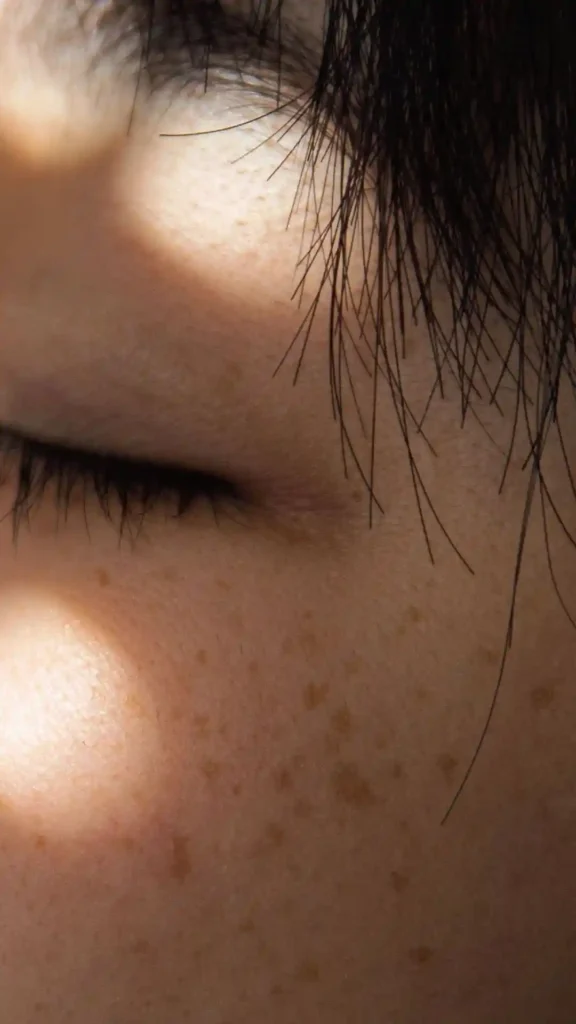
Living in compact spaces often means limited access to direct sunlight, yet this natural light remains a cornerstone of effective skincare and overall wellness. Exposure to UV rays enables the skin to synthesize vitamin D, a process essential for calcium balance, immune regulation, and epidermal health. Adequate vitamin D levels improve hydration, strengthen the skin barrier, and support collagen production, all of which contribute to youthful and resilient skin.
Still, the dual nature of sunlight in compact spaces presents challenges. While moderate exposure enhances vitamin D synthesis, prolonged or unprotected contact with UV radiation accelerates oxidative stress, collagen breakdown, and premature aging. Studies show that individuals living in small apartments may experience irregular exposure—sometimes too little, leading to deficiency, or too much through unfiltered windows, increasing cumulative UV risks.
Balancing these effects is central to modern skincare in compact spaces. Practical solutions include using sheer curtains to diffuse natural light, relying on daylight simulation lamps to maintain circadian rhythm and vitamin D support, and applying broad‑spectrum sunscreen even indoors when direct rays penetrate glass. Nutrition and supplementation also play a role, ensuring adequate vitamin D intake without excessive reliance on UV exposure.
Ultimately, sunlight is both a friend and a foe. Harnessing its benefits while mitigating its risks allows residents of compact spaces to sustain healthy skin and overall vitality. By integrating protective habits with mindful exposure, individuals can optimize their skincare routines, preserve long-term wellness, and enjoy the aesthetic benefits of balanced light. For more comprehensive strategies on creating this healthy environment, be sure to explore our full guide, Small Space, Big Wellness: Cultivating a Glow-First Environment, where we delve deeper into balancing your living space for a radiant, healthy life.
UV Rays Explained: Types (UVA/UVB) and Their Impact on the Skin
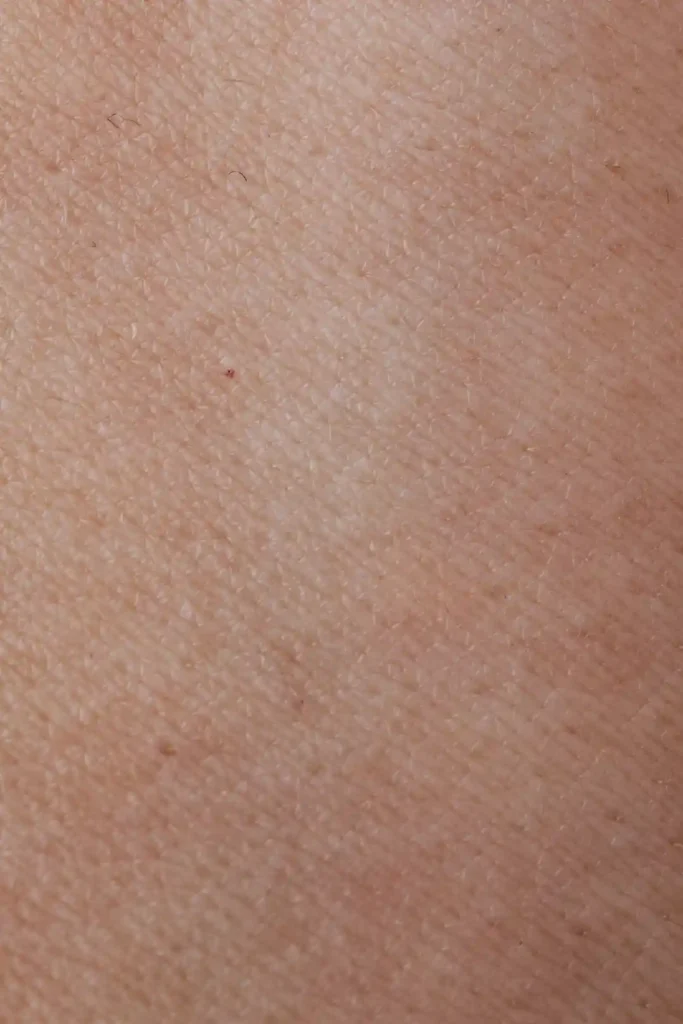
Understanding the role of UV radiation is essential for effective skincare in compact spaces, where exposure to sunlight may be irregular or intensified through windows. Ultraviolet rays are divided into three bands: UVA (320–400 nm), UVB (280–320 nm), and UVC (100–280 nm). Fortunately, UVC is fully absorbed by the atmosphere, but UVA and UVB reach the Earth’s surface and directly affect skin health .
UVA rays penetrate deeply into the dermis, triggering oxidative stress and the overproduction of matrix metalloproteinases (MMPs), enzymes that degrade collagen and elastin. This process accelerates photoaging, leading to wrinkles, sagging, and uneven pigmentation. UVA is also linked to immune suppression and increased risk of melanoma, particularly with artificial sources such as tanning beds .
UVB rays, although less abundant, are far more energetic. They primarily affect the epidermis, causing sunburn, DNA damage, and direct mutations such as cyclobutane pyrimidine dimers (CPDs). These lesions, if unrepaired, contribute to skin cancer development. UVB exposure is also strongly associated with premature aging, collagen breakdown, and immune suppression. At midday, UVB intensity peaks, making even short exposure risky for sensitive skin .
For residents of compact spaces, the challenge lies in balancing the benefits of sunlight—notably vitamin D synthesis—with the risks of cumulative UV exposure. While moderate exposure supports bone and skin health, unfiltered rays through glass can still cause damage, since UVA penetrates windows easily. Practical skincare strategies include using sheer curtains, applying broad‑spectrum sunscreen indoors when direct light enters, and supplementing vitamin D to reduce reliance on UV.
Ultimately, both UVA and UVB rays are double‑edged: they sustain life through vitamin D production yet accelerate aging and cancer risk. Smart skincare in compact spaces requires harnessing the benefits of sunlight while minimizing the dangers of UV radiation.
Practical Photoprotection Strategies in Compact Spaces
Effective skincare in compact spaces requires more than awareness of sunlight and UV exposure; it demands practical strategies that balance vitamin D benefits with protection against damage. Research shows that both UVA and UVB rays contribute to photoaging, DNA mutations, and immune suppression, making photoprotection essential even indoors, where UVA penetrates glass and artificial lighting can emit low levels of UV radiation .
One key strategy is the consistent use of broad‑spectrum sunscreen. Modern formulations protect against UVA‑induced oxidative stress and UVB‑related DNA damage. Applying sunscreen daily, even inside small apartments with direct sunlight exposure, reduces cumulative risks of premature aging and skin cancer .
Another approach involves environmental adjustments. Sheer curtains or UV‑filtering window films allow natural light while blocking harmful rays. Compact living areas benefit from daylight simulation lamps, which support circadian rhythm and vitamin D balance without exposing skin to harmful UV radiation. These tools are especially useful in regions with limited seasonal sunlight .
Antioxidant support is equally important. Studies highlight the protective role of green tea polyphenols, aloe vera, and vitamins C and E in neutralizing free radicals generated by UV exposure. Incorporating antioxidant‑rich skincare products or dietary sources enhances resilience against oxidative stress .
Finally, lifestyle habits matter. Avoiding peak sunlight hours (10 a.m.–2 p.m.), wearing protective clothing, and monitoring the UV Index are simple yet powerful steps. For residents of compact spaces, combining these strategies ensures that skincare routines remain effective, balancing the benefits of sunlight with the risks of UV radiation.
🌿 Top Antioxidant Skincare Options for UV Protection
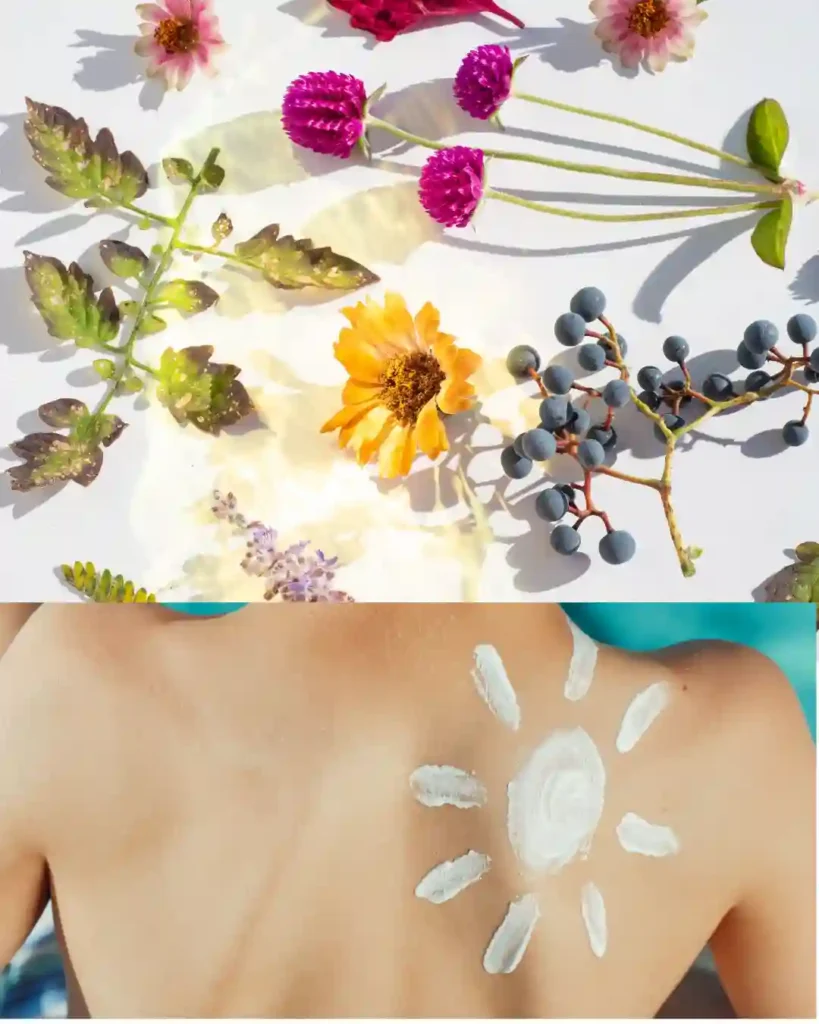
Modern skincare in compact spaces must address the dual challenge of limited sunlight exposure and the risks of cumulative UV radiation. Antioxidants play a central role in defending the skin against oxidative stress, neutralizing free radicals, and supporting cellular repair. Research highlights several natural and synthetic compounds that enhance resilience and photoprotection.
Vitamin C is one of the most studied antioxidants. It stimulates collagen synthesis, reduces hyperpigmentation, and protects against oxidative damage caused by UV‑induced free radicals. Topical formulations with stabilized derivatives of vitamin C are widely used in cosmetics to prevent photoaging and maintain skin radiance .
Vitamin E (α‑tocopherol) is another cornerstone of antioxidant defense. It protects epidermal lipids and collagen fibers from peroxidation, stabilizes the skin barrier, and reduces inflammation after UV exposure. Studies show that topical vitamin E, especially when combined with vitamin C or ferulic acid, provides synergistic protection against both UVA and UVB damage .
Carotenoids such as β‑carotene, lycopene, lutein, and astaxanthin are potent antioxidants found in plants and algae. They not only scavenge free radicals but also enhance hydration and improve skin elasticity. Lycopene from tomatoes and astaxanthin from microalgae are particularly effective in reducing UV‑induced oxidative stress and supporting anti‑aging strategies .
Polyphenols from green tea, grape seed, and resveratrol are widely recognized for their anti‑inflammatory and DNA‑repair properties. Green tea polyphenols, for example, reduce erythema and protect against UVB‑induced immunosuppression, while resveratrol enhances mitochondrial function and collagen stability .
Finally, aloe vera extracts provide soothing and reparative effects, accelerating wound healing and reducing oxidative damage after sunlight exposure. For readers seeking a complete affordable anti‑aging plan that complements antioxidant care, see our guide: Unlock Your Glow: The Best Affordable Anti‑Aging Skincare Routine for Glowing Skin in 2026.
For residents of compact spaces, integrating these antioxidants into daily routines—through serums, creams, or dietary sources—ensures comprehensive protection. By combining vitamins, carotenoids, and polyphenols, skincare strategies can effectively balance the benefits of sunlight with the risks of UV radiation, preserving youthful and healthy skin.
🌞 Morning Routine
- Gentle Cleanser Removes impurities without stripping moisture, preparing skin for antioxidant absorption.
- Vitamin C Serum Brightens skin, stimulates collagen, and neutralizes free radicals from early sunlight exposure.
- Moisturizer with Vitamin E Strengthens the skin barrier, reduces oxidative stress, and locks in hydration.
- Broad-Spectrum Sunscreen Essential even indoors, since UVA penetrates glass. Choose formulas enriched with antioxidants like ferulic acid or green tea polyphenols.
🌙 Evening Routine
- Antioxidant Cleanser Removes sunscreen, pollutants, and free radicals accumulated during the day.
- Resveratrol or Green Tea Serum Provides DNA repair support, reduces inflammation, and combats oxidative stress from UV exposure.
- Retinol Cream Enhances cell turnover, smooths fine lines, and works synergistically with antioxidants to repair photoaging.
- Hydrating Night Cream with Aloe Vera Soothes, repairs, and restores moisture balance, especially after incidental sunlight exposure.
📚 Conclusion
In summary, effective skincare in compact spaces requires a nuanced understanding of sunlight and UV radiation. While moderate exposure supports vitamin D synthesis and overall health, excessive UVA and UVB rays accelerate oxidative stress, collagen breakdown, and DNA mutations, leading to premature aging and skin cancer. Antioxidants—such as vitamins C and E, carotenoids, and polyphenols—play a pivotal role in neutralizing free radicals, repairing cellular damage, and enhancing photoprotection. Practical strategies, including broad‑spectrum sunscreens, antioxidant‑rich formulations, and environmental adjustments, allow individuals to harness the benefits of sunlight while minimizing its risks.
By integrating daily routines enriched with antioxidants and adopting protective habits, residents of compact spaces can maintain youthful, resilient skin and safeguard long‑term wellness. Future directions in cosmetology emphasize synergistic antioxidant combinations, advanced delivery systems, and sustainable natural sources, ensuring that skincare continues to evolve toward holistic, eco‑friendly solutions.
📖 References
- Al‑Sadek, T., & Yusuf, N. (2024). Ultraviolet Radiation Biological and Medical Implications. Current Issues in Molecular Biology, 46, 1924‑1942.
https://doi.org/10.3390/cimb46030126(doi.org in Bing) - Budzianowska, A., Banaś, K., Budzianowski, J., & Kikowska, M. (2025). Antioxidants to Defend Healthy and Youthful Skin—Current Trends and Future Directions in Cosmetology. Applied Sciences, 15, 2571.
https://doi.org/10.3390/app15052571(doi.org in Bing) - Chandra, J., Kukkar, R., Sharma, A., & Sharma, M. (2024). Understanding the Impact of UV Radiation on Skin Health: Mechanisms, Risks, and Photoprotection Strategies. Indian Journal of Health Care, Medical & Pharmacy Practice, 5(1), 88‑95.
https://doi.org/10.59551/IJHMP/25832069/2024.5.1.120(doi.org in Bing) - Hamouda, S.A., Alshawish, N.K., Abdalla, Y.K., & Ibrahim, M.K. (2022). Ultraviolet Radiation: Health Risks and Benefits. Saudi Journal of Engineering and Technology, 7(10), 533‑541.
https://doi.org/10.36348/sjet.2022.v07i10.001(doi.org in Bing) - Mahfoudh, M., Al‑Rawi, A., & Al Abadie, M. (2025). The Epitome of Antioxidants Against UV Photodamage: Vitamin E Use in Skin Protection. Journal of Dermatology Research, 6(2), 1‑9.
https://doi.org/10.46889/IDR.2025.6203(doi.org in Bing) - Mane, A., Chopade, P., & Tasgaonkar, R. (2025). Natural Antioxidant Used for Skin Care. International Journal of Research Publication and Reviews, 6(2), 1179‑1183.
- Romanhole, R.C., Ataide, J.A., Moriel, P., & Mazzola, P.G. (2015). Update on Ultraviolet A and B Radiation Generated by the Sun and Artificial Lamps and Their Effects on Skin. International Journal of Cosmetic Science, 37, 366‑370. https://doi.org/10.1111/ics.12219
- United States Environmental Protection Agency (EPA). (2010). UV Radiation Fact Sheet. EPA 430‑F‑10‑025.