Introduction
Maintaining physical fitness in older adults is a pressing challenge in today’s urbanized world, especially for those living in small apartments or compact housing. While the benefits of regular activity are well‑established — improved cardiovascular health, reduced risk of chronic diseases, and enhanced emotional well‑being — the reality of limited space often creates barriers to consistent exercise. Seniors may feel constrained by narrow hallways, lack of dedicated workout areas, or fear of injury when attempting traditional routines in confined environments.
The World Health Organization (WHO) toolkit stresses that “every move count,” even if activity levels fall short of formal guidelines. Simple movements such as chair yoga, wall push‑ups, or resistance band exercises can be adapted to small spaces, ensuring that maintaining physical fitness in older adults remains achievable regardless of housing conditions. Similarly, the National Institute on Aging (NIA) highlights that functional mobility and safe home movement are critical for independence, and these can be supported through compact, low‑impact routines.
From a social perspective, isolation in apartments can reduce motivation. Programs like SilverSneakers and EnhanceFitness (CDC guide) demonstrate that group‑based or virtual activities help overcome psychological barriers, offering seniors both companionship and accountability. Moreover, adaptive solutions such as online exercise videos or community walking groups provide affordable alternatives to gyms, reinforcing exercise sustainability in restricted environments.
Ultimately, the challenge is not the size of the space but the creativity of the approach. Maintaining physical fitness in older adults in small apartments requires integrating movement into daily routines — stretching at the kitchen counter, marching in place while watching television, or using household chores as aerobic activity. By reframing compact living as an opportunity for innovation, seniors can sustain independence, reduce fall risks, and preserve dignity, as explored further in Small Space, Big Wellness: Cultivating a Glow‑First Environment.
The Importance of Maintaining Physical Fitness for Older Adults
Maintaining physical fitness in older adults is a critical factor in promoting healthy aging, independence, and overall well‑being. Evidence from the World Health Organization (WHO) toolkit emphasizes that regular physical activity can delay the onset of dementia, reduce symptoms of depression and anxiety, and prevent chronic conditions such as type 2 diabetes, hypertension, and osteoporosis . Similarly, the National Institute on Aging (NIA) highlights that staying active improves functional ability, making daily tasks such as climbing stairs, carrying groceries, or rising from a chair easier and safer .
Why It Matters
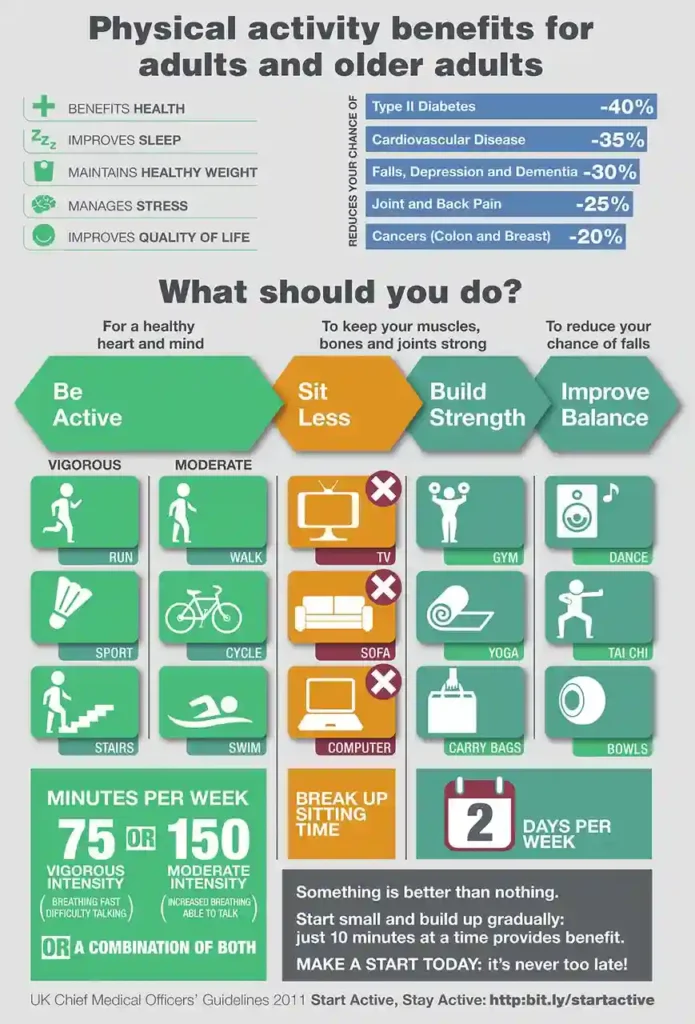
- Disease Prevention: Maintaining physical fitness in older adults lowers the risk of cardiovascular disease, certain cancers, and metabolic disorders. WHO estimates that physical activity could prevent millions of new cases of noncommunicable diseases globally .
- Functional Mobility: Regular exercise supports balance, strength, and endurance, reducing fall risk and enabling safe home movement. This is vital since falls are a leading cause of injury among seniors.
- Mental Health: Physical activity enhances cognitive function, reduces anxiety, and fosters emotional resilience. Programs like EnhanceFitness and SilverSneakers in the U.S. have shown improvements in mood and social engagement among participants .
- Social Connection: Group activities such as walking clubs, dance classes, or chair exercises not only promote fitness but also combat loneliness, a common challenge in later life .
Adaptability in Small Spaces
Maintaining physical fitness in older adults does not require large gyms or expensive equipment. Simple routines can be adapted to compact living environments:
- Resistance band exercises performed in a living room.
- Chair yoga or seated marches for those with limited mobility.
- Wall push‑ups or stretching at the kitchen counter. These small‑space solutions ensure exercise sustainability, making fitness accessible regardless of housing conditions .
Long‑Tail Keywords Integration
In this context, maintaining physical fitness in older adults directly supports:
- Functional mobility — enabling seniors to perform daily tasks confidently.
- Safe home movement — reducing fall risks through balance and strength training.
- Exercise sustainability — ensuring routines can be maintained consistently in diverse living environments.
Conclusion of Section
Ultimately, maintaining physical fitness in older adults is not just about extending lifespan but about enhancing healthspan — the years lived with independence, dignity, and vitality. As WHO stresses, “Every move counts,” and even modest activity levels can yield significant benefits for older populations .
Common Challenges Faced by Older Adults
Maintaining physical fitness in older adults is a public health priority, yet it is often undermined by multiple barriers that affect participation and sustainability. Despite the proven benefits — from reducing chronic disease risk to enhancing independence — older adults face challenges that require tailored solutions.
🔹 Health and Physical Barriers
- Chronic Conditions: The World Health Organization (WHO) toolkit highlights that nearly half of adults over 70 fail to meet recommended activity levels, largely due to conditions such as diabetes, hypertension, arthritis, and osteoporosis that limit mobility and confidence.
- Functional Decline: Age‑related sarcopenia and reduced bone density increase vulnerability to falls and fractures, discouraging seniors from engaging in exercise.
- Pain and Fatigue: The National Institute on Aging (NIA) notes that arthritis, chronic pain, and respiratory issues can make even moderate activity difficult, leading to sedentary behavior.
🔹 Psychological and Motivational Barriers
- Fear of Injury: WHO emphasizes that fear of falling or worsening existing conditions is a major deterrent to maintaining physical fitness older adults.
- Low Motivation: Depression, anxiety, or lack of perceived benefit reduce willingness to exercise. Structured programs like EnhanceFitness and SilverSneakers have demonstrated success in overcoming motivational barriers.
- Cultural Attitudes: In some communities, aging is equated with rest rather than activity, reinforcing inactivity.
🔹 Environmental and Social Barriers
- Limited Access: Seniors in rural or low‑income areas may lack safe walking paths, affordable gyms, or community programs. WHO stresses that supportive environments are essential for equitable participation.
- Small Living Spaces: Compact housing can restrict movement, yet adaptive solutions — chair yoga, resistance band training, wall push‑ups — allow maintaining physical fitness older adults even in limited environments.
- Social Isolation: Without peer support or family encouragement, older adults may struggle to sustain routines. The CDC guide highlights that group‑based programs improve adherence and reduce loneliness.
🔹 Economic and Resource Barriers
- Cost of Programs: Paid fitness classes or specialized equipment may be unaffordable. Free or low‑cost resources, such as online exercise videos or community walking groups, are vital alternatives.
- Healthcare Guidance: Many seniors lack tailored advice from healthcare providers. The Exercise is Medicine® initiative stresses the importance of personalized exercise prescriptions to overcome medical hesitations.
These challenges directly affect functional mobility, limit safe home movement, and threaten exercise sustainability. Addressing them requires innovative, accessible, and culturally sensitive solutions that make maintaining physical fitness older adults achievable across diverse settings.
Practical Fitness Solutions for Independent Living
Maintaining physical fitness in older adults requires creative, accessible, and sustainable approaches that fit into diverse living conditions. While many seniors face barriers such as chronic illness, limited mobility, or small living spaces, evidence from the WHO toolkit, the CDC Reference Guide, and the National Institute on Aging (NIA) shows that tailored solutions can help older adults remain active, independent, and engaged.
🔹 Adapting Fitness to Small Spaces
Compact living environments should not prevent seniors from staying active. Practical solutions include:
- Chair Yoga and Seated Marches: Gentle routines that improve circulation and flexibility, recommended by the NIA booklet on exercise for older adults.
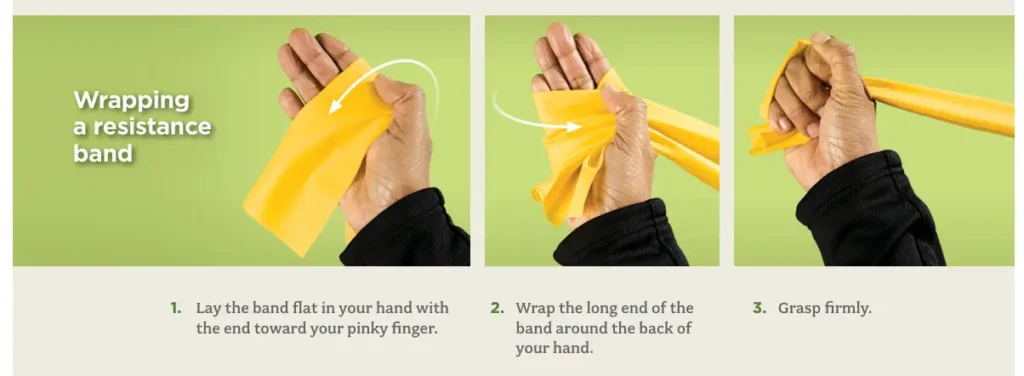
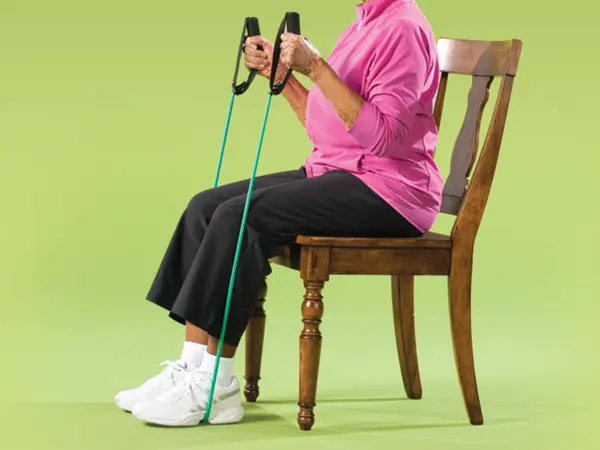
- Resistance Band Training: Lightweight and affordable, bands can be used for arm pulls or leg extensions in a living room, supporting strength and posture.
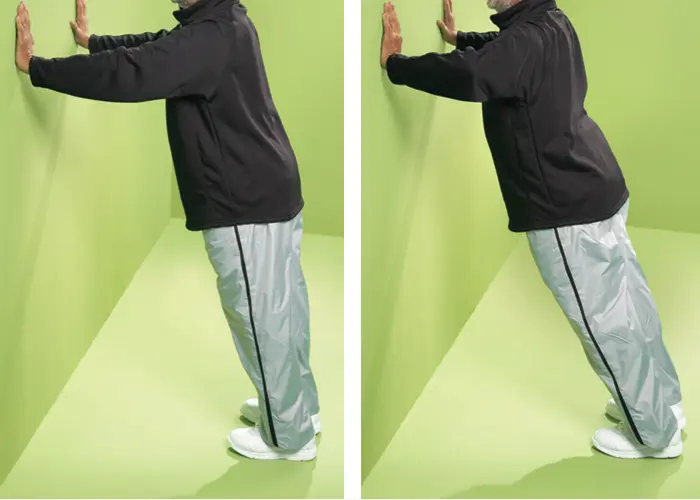
- Wall Push‑Ups and Countertop Exercises: WHO emphasizes that even household surfaces can be adapted for safe strength training. These strategies ensure exercise sustainability without requiring large gyms or equipment.
🔹 Functional Mobility and Safe Home Movement
Maintaining physical fitness in older adults is directly linked to functional mobility. Programs like EnhanceFitness and SilverSneakers (CDC guide) show that balance and strength training reduce fall risks and improve confidence in daily tasks. Examples include:
- Practicing sit‑to‑stand repetitions from a sturdy chair.
- Heel‑to‑toe walking across a hallway to improve balance.
- Using household chores (vacuuming, gardening, stair climbing) as aerobic activity, as highlighted in the NIH Go4Life® guide.
🔹 Social and Emotional Engagement
Fitness solutions should also address isolation. Group‑based activities — walking clubs, dance sessions, or online fitness classes — provide motivation and companionship. WHO stresses that social interaction enhances adherence and emotional well‑being.
🔹 Integrating Long‑Tail Keywords
- Functional mobility: achieved through balance and strength routines.
- Safe home movement: supported by fall‑prevention exercises in compact spaces.
- Exercise sustainability: ensured by adaptable routines that fit daily life and limited environments.
Conclusion of Section
Maintaining physical fitness in older adults is achievable when solutions are practical, adaptable, and socially engaging. By leveraging small‑space exercises, functional mobility routines, and community‑based programs, seniors can sustain independence and vitality. As WHO reminds us, “Every move counts” — and with the right strategies, every environment can become a fitness space.
Conclusion
Maintaining physical fitness in older adults is not simply about exercise; it is about preserving independence, dignity, and quality of life. The evidence from the World Health Organization (WHO) toolkit shows that regular activity reduces the risk of chronic diseases, delays cognitive decline, and prevents falls. The National Institute on Aging (NIA) emphasizes that physical activity enhances emotional well‑being and supports social engagement, while the CDC Reference Guide demonstrates that structured programs like SilverSneakers and EnhanceFitness improve adherence and outcomes.
By integrating adaptable routines into small living spaces, encouraging functional mobility, and promoting safe home movement, communities can ensure exercise sustainability for seniors. Maintaining physical fitness older adults therefore becomes a cornerstone of healthy aging strategies, reducing healthcare costs and fostering active participation in society. Ultimately, every step, stretch, or movement contributes to resilience, independence, and vitality in later life.
References (Alphabetical Order)
- American College of Sports Medicine. Being Active as We Get Older. Exercise is Medicine®, 2019.
- Centers for Disease Control and Prevention. Reference Guide of Physical Activity Programs for Older Adults: A Resource for Planning Interventions. U.S. Department of Health and Human Services, 2007.
- Markell, Dawn & Peterson, Diane. Health and Fitness for Life. MHCC Library Press, Gresham, OR.
- National Institute on Aging. Exercise and Physical Activity for Older Adults. NIH Publication No. 25‑AG‑8135, March 2025.
- National Institute on Aging. Your Everyday Guide: Exercise & Physical Activity. NIH Go4Life® Campaign.
- Spectrio. Active Aging Exercise for Seniors: Stay Active & Healthy. Senior Living Activity Assistant.
- Springer Nature. Sullivan, Gail M. & Pomidor, Alice K. (eds.). Exercise for Aging Adults: A Guide for Practitioners. Second Edition, 2024.
- World Health Organization. Promoting Physical Activity for Older People: A Toolkit for Action. Geneva: WHO, 2023.