
Introduction: The Convergence of S&T and Human Well-being
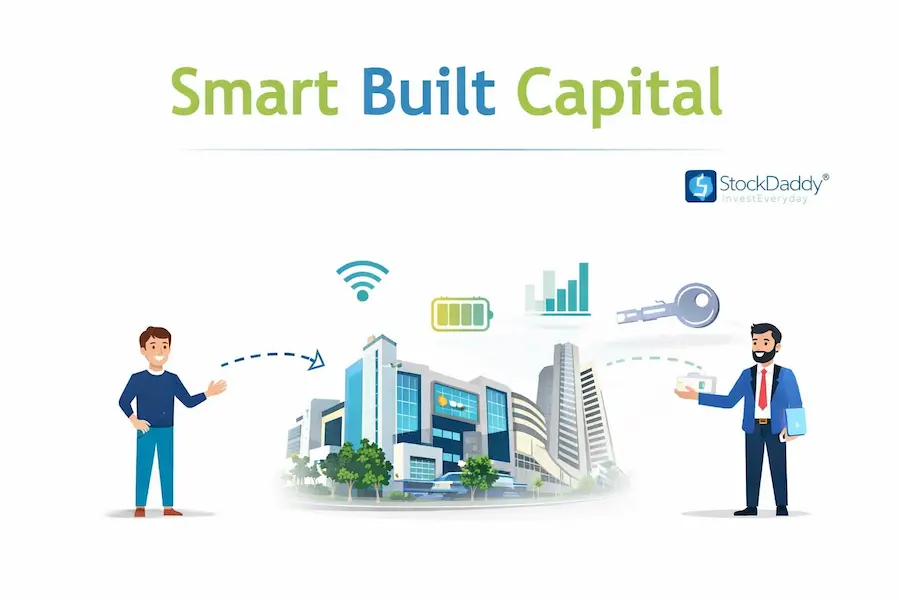
As we celebrate the milestones of technological progress, we find ourselves at a “hinge of history”. The vision of Vannevar Bush in 1945—that advances in science mean more leisure, higher wages, and the end of “deadening drudgery”—is now intersecting with a digital era that redefines how we occupy space. Central to this evolution is the concept of Smart Built Capital: the strategic use of Information and Communication Technologies (ICT) to minimize “environmental friction” while maximizing the utility of our physical surroundings.
In today’s urban landscape, where living in small spaces has become a necessity for many, the role of Quality-of-Life (QoL) technologies is paramount. These technologies do not just monitor our vitals; they transform our apartments into intelligent ecosystems that advance national interests by promoting health, conservation, and economic resilience.
Reducing Environmental Friction through Intelligent Design
Environmental friction refers to the challenges posed by our physical context—noise, pollution, and inefficient resource use—that impede our daily function. Smart Built Capital utilizes emerging technologies to smooth these interactions. For instance:
- Acoustic Management: Smart sensors in modern apartments can detect environmental noise, which is known to correlate with poor sleep and physical health.
- Energy Efficiency: As noted in the Stanford Emerging Technology Review, energy innovation is geopolitically strategic. Smart grids within the built environment allow for environmental friction reduction by automating climate control, thus promoting the “conservation of our limited national resources” envisioned decades ago.
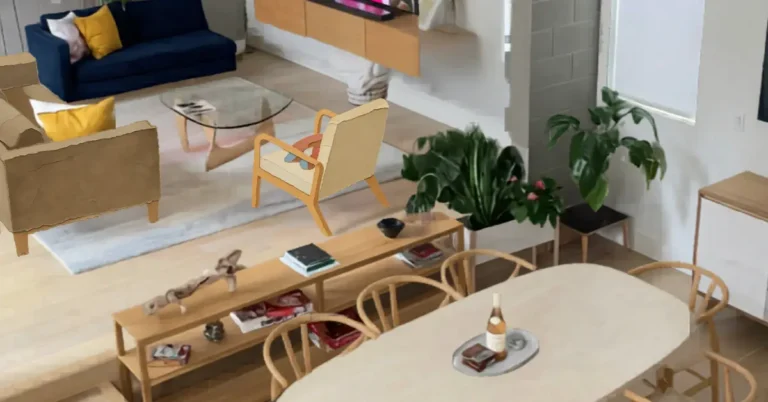
Expanding Spatial Utility: Living Large in Small Spaces
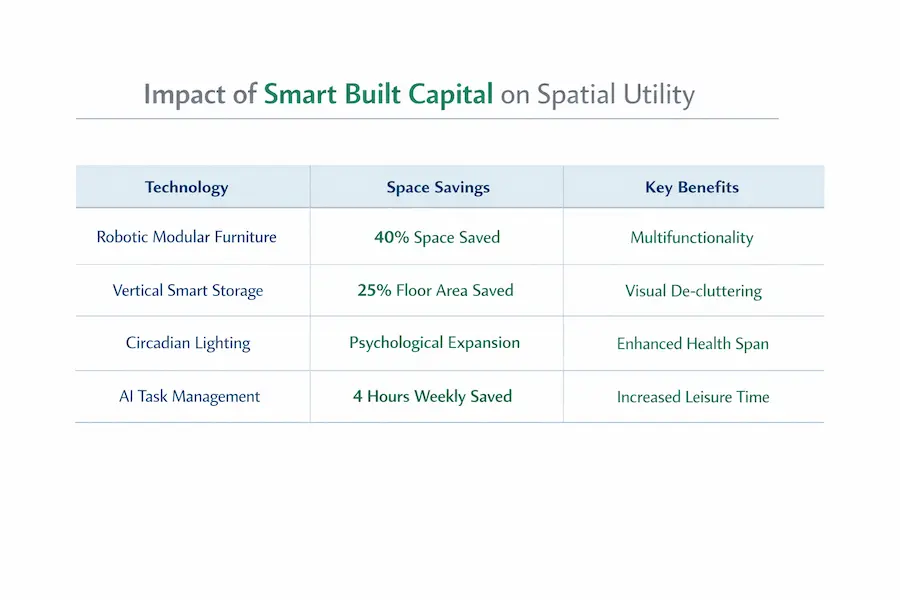
The modern trend toward living in small spaces demands a radical rethink of spatial utility. Smart Built Capital enables a single physical area to serve multiple functions through:
- Multimodal Integration: Using AI to manage lighting, sound, and digital interfaces, a small apartment can transition from a professional workspace to a restorative sanctuary.
- Robotic Furniture: Advances in robotics are moving beyond factory floors into our homes, allowing for “spatial utility expansion” where walls or furniture move to accommodate different needs.
“Advances in science will also bring higher standards of living and will promote conservation of our limited national resources.” — Vannevar Bush
The Role of QoL Technologies in Modern Housing
To achieve a true quality of life, technology must address four key domains: physical health, psychological well-being, social relationships, and the environment.
| Domain | Application in Smart Built Capital | Impact on Quality of Life |
| Physical | Wearables & Ambient Sensors | Improved sleep efficiency and chronic disease management. |
| Psychological | AI-driven mood lighting/circadian rhythms | Reduced fatigue and enhanced “thinking and learning”. |
| Social | High-speed ICT for remote connection | Strengthening “personal relationships” despite physical distance. |
| Environment | Smart Waste & Water Management | Reduced pollution and enhanced “physical safety”. |
National Interests and the Built Environment
The development of Smart Built Capital is not merely a luxury; it is a pillar of national strength. S&T remains essential to national needs in transportation, communication, and health. By creating “smart” urban centers, nations gain:
- Economic Influence: Leading in QoL-enabled computing creates a “stronger national security posture” and diplomatic leverage.
- Human Capital Retention through Smart Environments: Retaining top-tier talent in modern urban centers increasingly depends on designing cities and apartments that prioritize the “human health span,” ensuring a productive and satisfied workforce. By integrating Smart Built Capital into the context of living in small spaces, developers can deploy essential QoL technologies—such as AI-driven circadian lighting and intelligent air-filtration systems—that actively achieve environmental friction reduction. This strategic focus on spatial utility expansion through smart automation not only transforms confined dwellings into restorative sanctuaries but also serves vital national interests by fostering a healthier, more resilient labor force that is equipped to thrive in the digital age.
Overcoming the “Deadening Drudgery” of Urban Life
Vannevar Bush spoke of using science to learn “how to live without the deadening drudgery”. In the context of small spaces, this means automating the mundane through Smart Built Capital. For example, in a modern studio apartment, integrated AI-driven systems can automatically adjust multi-functional furniture, manage waste through smart sensors, and optimize climate control based on occupancy.
These AI agents and IoT devices now handle the ‘drudgery’ of home maintenance—such as automated floor cleaning or inventory tracking—allowing residents more ‘leisure for recreation and study’. This shift is essential as we face a ‘convergence moment‘ where biotechnology, AI, and materials science overlap to create safer, more efficient living environments that prioritize the human experience over routine chores. Research featured in the Journal of Building Engineering underscores this evolution, providing technical insights into how smart infrastructure and engineered systems are redefining the modern built environment.
The Strategic Imperative: Bridging the Talent Gap through Quality of Life
The urgency of developing Smart Built Capital extends beyond personal convenience; it is a fundamental requirement for national competitiveness. As the semiconductor industry faces a staggering talent shortage—with nearly 80% of new technical jobs at risk of remaining unfilled by 2030—the ability to attract and retain specialized professionals through human capital retention becomes a primary national interest. To secure this workforce, urban environments must offer high-performance apartments equipped with QoL technologies that eliminate the “deadening drudgery” of daily life.

Conclusion: Toward a Seamless and Strategic Future
Ultimately, the goal of Smart Built Capital is to make technology invisible yet indispensable. As we bridge the gap between engineering and human well-being, we move toward a future where our physical environment—no matter how small—is a dynamic partner in our health, our economic resilience, and our collective success. By prioritizing the “human health span” through emerging technologies, we ensure that our built capital serves both the individual and the nation’s most vital goals. The synergy between science, policy, and design is the only way to ensure that our built capital serves the “national interest” while fostering an environment where every individual can thrive.
References
- Lin, H. S. (Ed.). (2026). The Stanford Emerging Technology Review 2026: A Report on Ten Key Technologies and Their Policy Implications. Stanford University.
- Wac, K., Rivas, H., & Fiordelli, M. (2017). Quality-of-Life Technologies. University of Geneva, University of Copenhagen, Stanford University, and University of Lugano.