
Winter creates a hidden challenge for people living in compact apartments. In the effort to keep precious warmth indoors, many residents unintentionally trap stale air, excess moisture, airborne pollutants, and even pathogens inside their homes. The result is what many indoor air experts call the winter paradox: better heat retention but poorer indoor air quality.
Finding the Best Smart Ventilation for Small Spaces in Winter is no longer simply about comfort. It has become a critical strategy for protecting respiratory health, preventing mold growth, maintaining healthy humidity levels, and improving overall well-being. As modern apartments become more airtight and energy-efficient, smart ventilation systems are emerging as one of the most important wellness technologies for compact living.
If you are interested in creating a healthier indoor environment overall, this topic complements our pillar guide: [BlindsMagic Motorized Bamboo Blinds Review].
The Winter Paradox: Why Small Apartments Become Health Risks

The Winter Paradox: Why implementing the best smart ventilation for small spaces in winter prevents trapped moisture, mold, and hidden health risks in compact apartments.During winter, residents naturally close windows, seal cracks, and reduce outdoor airflow to preserve indoor warmth. While effective for saving energy, this practice often causes indoor pollutants to accumulate.
In small apartments, limited air volume magnifies the problem. Moisture from breathing, cooking, showering, and drying clothes builds up rapidly. Carbon dioxide (CO₂) concentrations increase. Volatile Organic Compounds (VOCs) released from furniture, cleaning products, paints, and household materials remain trapped indoors.
Modern research emphasizes that HVAC systems play a crucial role in maintaining Indoor Air Quality (IAQ) and occupant health, particularly because people spend most of their time indoors. Effective ventilation management is increasingly recognized as essential for comfort, wellness, and productivity.
Without proper ventilation, a small apartment can gradually develop conditions that negatively affect health throughout winter.
The Hidden Health Hazards of Sealed Small Spaces in Winter
Excess Humidity and Mold Growth
Indoor relative humidity above 60% creates favorable conditions for mold development and microbial growth.
Common problem areas include:
- Window frames
- Bathroom ceilings
- Behind furniture
- Closet corners
- Exterior walls
Mold spores can become airborne and may contribute to:
- Persistent coughing
- Nasal irritation
- Asthma flare-ups
- Allergic reactions
- Chronic respiratory discomfort
Small apartments are particularly vulnerable because moisture accumulates faster and disperses more slowly.
Dust Mites Thrive in High Humidity
Dust mites flourish in humid indoor environments. During winter, elevated humidity combined with reduced ventilation creates an ideal habitat.
For allergy sufferers, the consequences may include:
- Sneezing
- Congestion
- Eye irritation
- Reduced sleep quality
- Increased respiratory sensitivity
Elevated CO₂ Levels
Poorly ventilated apartments often experience rising CO₂ levels overnight, especially in bedrooms.
Research on intelligent HVAC and ventilation systems frequently uses CO₂ concentration as a key indicator of indoor air quality because excessive accumulation directly reflects inadequate ventilation.
Elevated CO₂ may contribute to:
- Fatigue
- Morning headaches
- Reduced concentration
- Mental fog
- Decreased productivity
Increased Exposure to VOCs
Volatile Organic Compounds can originate from:
- Furniture
- Flooring
- Cleaning products
- Adhesives
- Paints
- Air fresheners
Without air exchange, VOC concentrations gradually increase indoors. Long-term exposure may contribute to irritation of the eyes, nose, and respiratory tract.
Poor Sleep and Immune Stress
Indoor environmental quality directly influences sleep quality and wellness. Research on smart climate control and intelligent HVAC systems increasingly focuses on integrating temperature, humidity, air quality, and occupant comfort because indoor conditions affect physical well-being and recovery.
Poor air quality combined with excessive humidity can make winter illnesses more difficult to recover from while contributing to restless sleep.
Why Traditional Ventilation Fails Small Apartments in Cold Weather
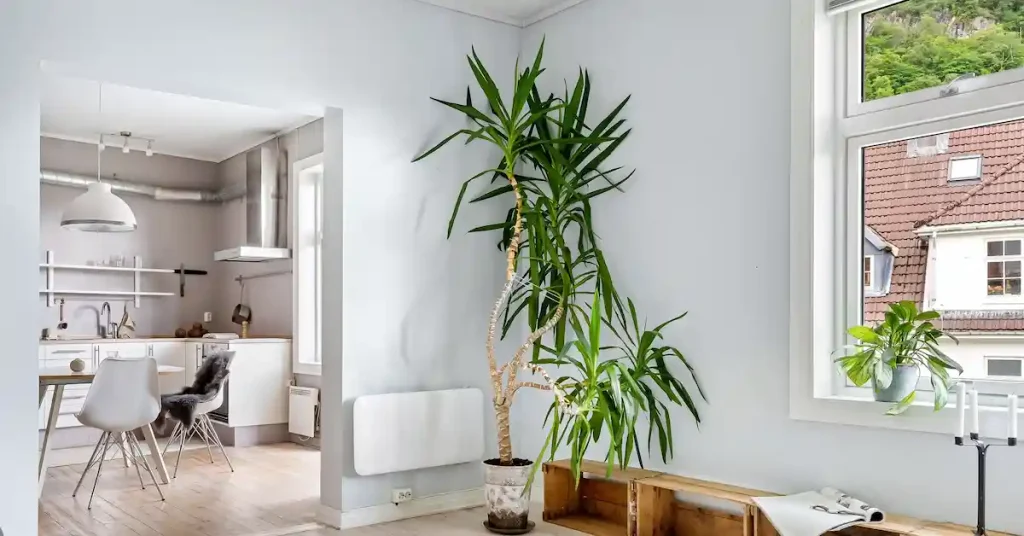
Why Traditional Ventilation Fails: Opening windows causes massive heat loss and drafts in cold weather, proving why investing in the best smart ventilation for small spaces in winter is essential for thermal comfort and health.Many people rely on opening windows when indoor air feels stale.
Unfortunately, this solution is often impractical during winter.
Significant Heat Loss
Opening a window for extended periods quickly removes warm indoor air and increases heating demand.
Research reviewing HVAC energy performance highlights the importance of balancing ventilation, thermal comfort, and energy efficiency simultaneously.
Draft Discomfort
Small apartments cool rapidly when windows are opened in freezing conditions.
This can create:
- Cold drafts
- Uneven temperatures
- Reduced comfort
- Increased heating costs
Inconsistent Air Exchange
Manual ventilation depends entirely on human behavior.
People often:
- Forget to ventilate
- Ventilate too infrequently
- Over-ventilate and waste energy
This inconsistency makes window ventilation an unreliable long-term winter strategy.
How Smart Ventilation Solves the Health and Humidity Crisis
Humidity Monitoring and Automated Control
One of the most effective features of the Best Smart Ventilation for Small Spaces in Winter is automated humidity management.
Modern systems continuously monitor indoor moisture levels and activate ventilation when humidity rises above healthy thresholds.
Research in smart climate control demonstrates the effectiveness of automatically regulating temperature and humidity using sensor-driven systems. Humidity-responsive operation helps maintain healthier indoor conditions while minimizing energy waste.
Smart Air Quality Monitoring
Advanced smart ventilation ecosystems typically include sensors measuring:
- Humidity
- CO₂
- VOCs
- Temperature
- Occupancy
Modern IoT-enabled HVAC platforms use distributed sensors and real-time monitoring to improve indoor environmental quality and system responsiveness.
Energy Recovery Ventilators (ERVs)
An ERV exchanges stale indoor air with fresh outdoor air while recovering much of the heat energy that would otherwise be lost.
Benefits include:
- Fresh air without major heat loss
- Reduced indoor humidity
- Improved IAQ
- Lower heating penalties
For compact apartments, wall-mounted ERVs are increasingly attractive because they require minimal floor space.
Heat Recovery Ventilators (HRVs)
HRVs operate similarly to ERVs but focus mainly on heat transfer rather than moisture transfer.
They are particularly effective in cold winter climates where preserving warmth is essential.
Both HRVs and ERVs help solve the fundamental winter challenge:
bringing in fresh air while keeping valuable heat indoors.
Intelligent Occupancy-Based Ventilation
Studies reviewed in advanced HVAC literature show that occupancy-aware ventilation can dramatically improve efficiency while maintaining indoor air quality. Occupancy-based control strategies have demonstrated substantial reductions in ventilation-related energy consumption.
For apartment dwellers, this means:
- Ventilation increases when the space is occupied.
- Air exchange decreases when the apartment is empty.
- Healthy IAQ is maintained with minimal energy waste.
Best Smart Ventilation for Small Spaces in Winter: Features to Prioritize in 2026–2027
Key Features for 2026–2027: Prioritizing automated sensor integration, compact form factor, and low noise levels when choosing the best smart ventilation for small spaces in winter.When searching for the Best Smart Ventilation for Small Spaces in Winter, focus on the following criteria.
1. Built-In Humidity Sensors
Look for systems that automatically react to:
- Bathroom moisture
- Cooking steam
- Condensation buildup
Automatic moisture management is one of the strongest defenses against winter mold growth.
2. Compact Form Factor
For apartments, ideal options include:
- Through-the-wall ERVs
- Ductless HRVs
- Compact smart exhaust systems
- Integrated room ventilators
Space efficiency matters just as much as performance.
3. Smart App Integration
The best systems offer:
- Real-time monitoring
- Air-quality notifications
- Automated schedules
- Remote control
Research highlights IoT-enabled HVAC technologies as a major advancement in creating adaptive and responsive indoor environments.
4. Quiet Operation
Noise becomes highly noticeable in small living spaces.
Look for products that emphasize:
- Low decibel ratings
- Sleep modes
- Variable-speed operation
5. Energy Recovery Technology
If budget permits, prioritize:
- Energy Recovery Ventilators (ERVs)
- Heat Recovery Ventilators (HRVs)
These systems maximize fresh air while minimizing wasted heating energy.
6. Air Quality Sensor Compatibility
The Best Smart Ventilation for Small Spaces in Winter should integrate with:
- Smart thermostats
- Air-quality monitors
- Home automation systems
Research increasingly shows that integrated HVAC ecosystems provide better environmental control than isolated devices.
Practical Implementation Tips for Apartment Residents
Maintain Healthy Humidity Levels
Experts generally recommend maintaining indoor relative humidity between 30% and 50% during winter.
Below 30%:
- Dry skin
- Dry sinuses
- Irritated respiratory passages
Above 50%:
- Mold risk increases
- Dust mites thrive
- Condensation becomes more likely
Position Ventilation Strategically
Focus on high-moisture areas:
- Bathrooms
- Kitchens
- Laundry spaces
These locations generate the majority of winter indoor humidity.
Pair Ventilation With Smart Climate Control
Research on smart thermostats and climate management emphasizes the value of combining humidity control, scheduling, occupancy awareness, and ventilation into a unified indoor wellness strategy.
Together, these technologies can:
- Improve comfort
- Reduce energy consumption
- Support healthier air quality
- Enhance sleep quality
Monitor Trends, Not Just Numbers
Smart air-quality dashboards often reveal useful patterns:
- Nighttime CO₂ spikes
- Post-shower humidity surges
- Weekend occupancy effects
Recognizing these trends helps optimize ventilation schedules.
Final Takeaway
The Best Smart Ventilation for Small Spaces in Winter is ultimately an investment in health rather than simply a home upgrade.
Winter’s tightly sealed apartments often trap moisture, VOCs, CO₂, allergens, and airborne contaminants at precisely the time residents spend the most hours indoors. Smart ventilation systems solve this challenge by continuously monitoring environmental conditions and automatically delivering fresh air while preserving thermal comfort.
Research across intelligent HVAC, IoT-enabled climate control, and smart building technologies consistently shows that sensor-driven ventilation, humidity regulation, occupancy awareness, and integrated indoor air quality management create healthier and more energy-efficient indoor environments. [ACCESS3667540 | PDF], [IJIRT162912_PAPER | PDF], [Smart_Clim…Using_FRDM | PDF]
For apartment residents seeking better sleep, fewer winter respiratory issues, improved indoor air quality, and long-term protection against mold and moisture damage, investing in the Best Smart Ventilation for Small Spaces in Winter may be one of the most impactful wellness decisions they can make.
References
Darwish, H., Khapper, K. V., Gokaraju, B., & Tesiero, R. (2026). Smart control for smarter buildings: A review of traditional and intelligent HVAC control strategies toward energy sustainability. IEEE Access, 14, 30937-30964. https://doi.org/10.1109/ACCESS.2026.3667540
Golubchikov, O., & Yenneti, K. (Eds.). (2024). Smart cities, energy and climate: Governing cities for a low-carbon future. Wiley.
K, P., & Sivadas, A. (2024). Efficient climate control: Unraveling the potential of smart thermostat technology. International Journal of Innovative Research in Technology, 10(11), 399-403.